How is Safety Ensured on a Construction Site?
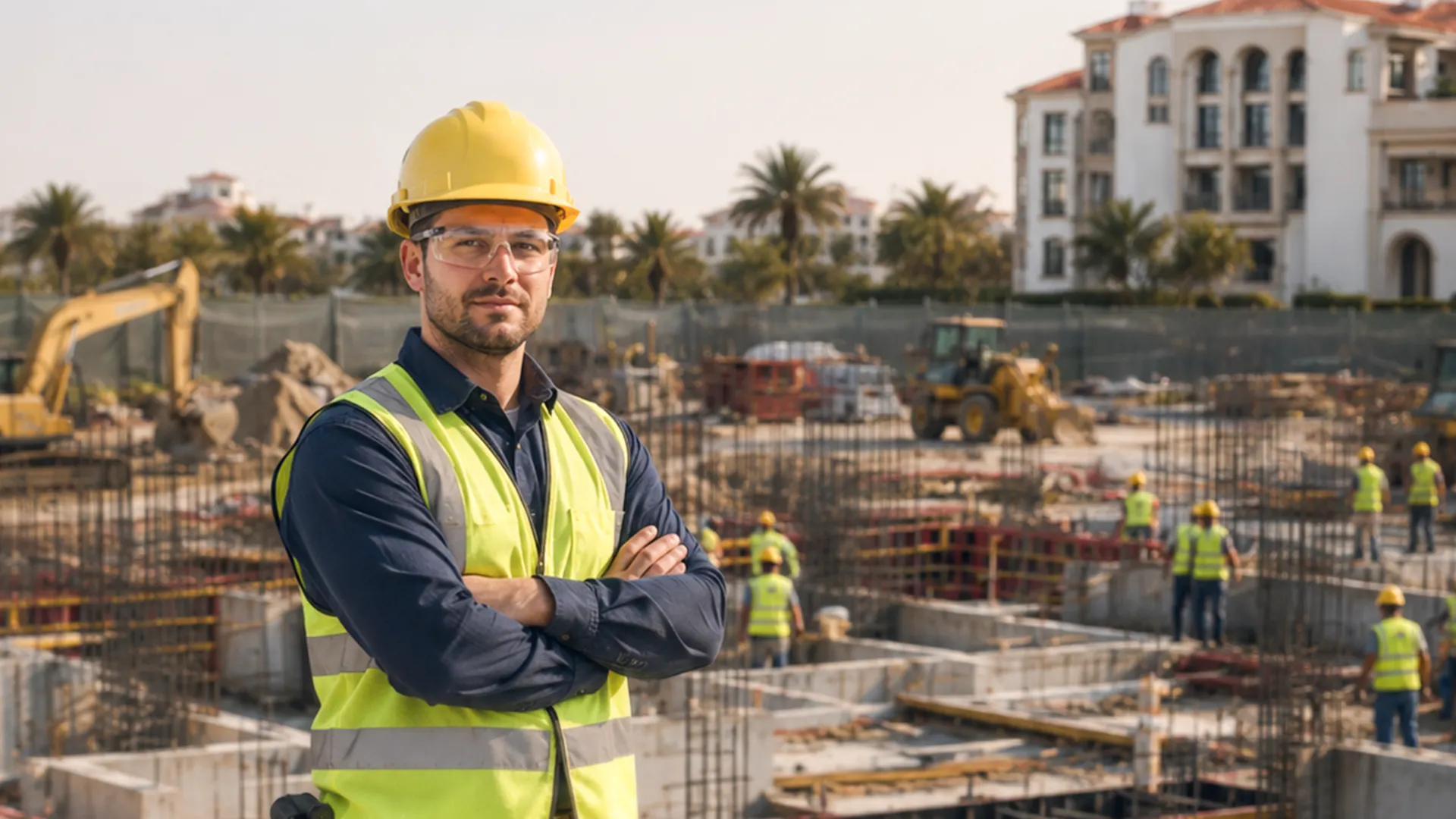
The Invisible Foundation: Pre-planning and Risk Analysis
The safety process begins long before the first machine rolls onto the site, it is born at the drafting table. Every construction site has its own unique character and hidden threats; therefore, engineers must "map out" these dangers before work even begins. At this stage, plans built around "worst-case scenarios" act as the first and strongest barrier against accidents. If fall protection zones, heavy machinery paths, and electrical insulation are not pre-determined, the order on-site can quickly spiral into chaos. A professional approach leaves nothing to chance, because in construction, even a minor oversight can lead to massive consequences.
Life-Saving Armor: Personal Protective Equipment (PPE)
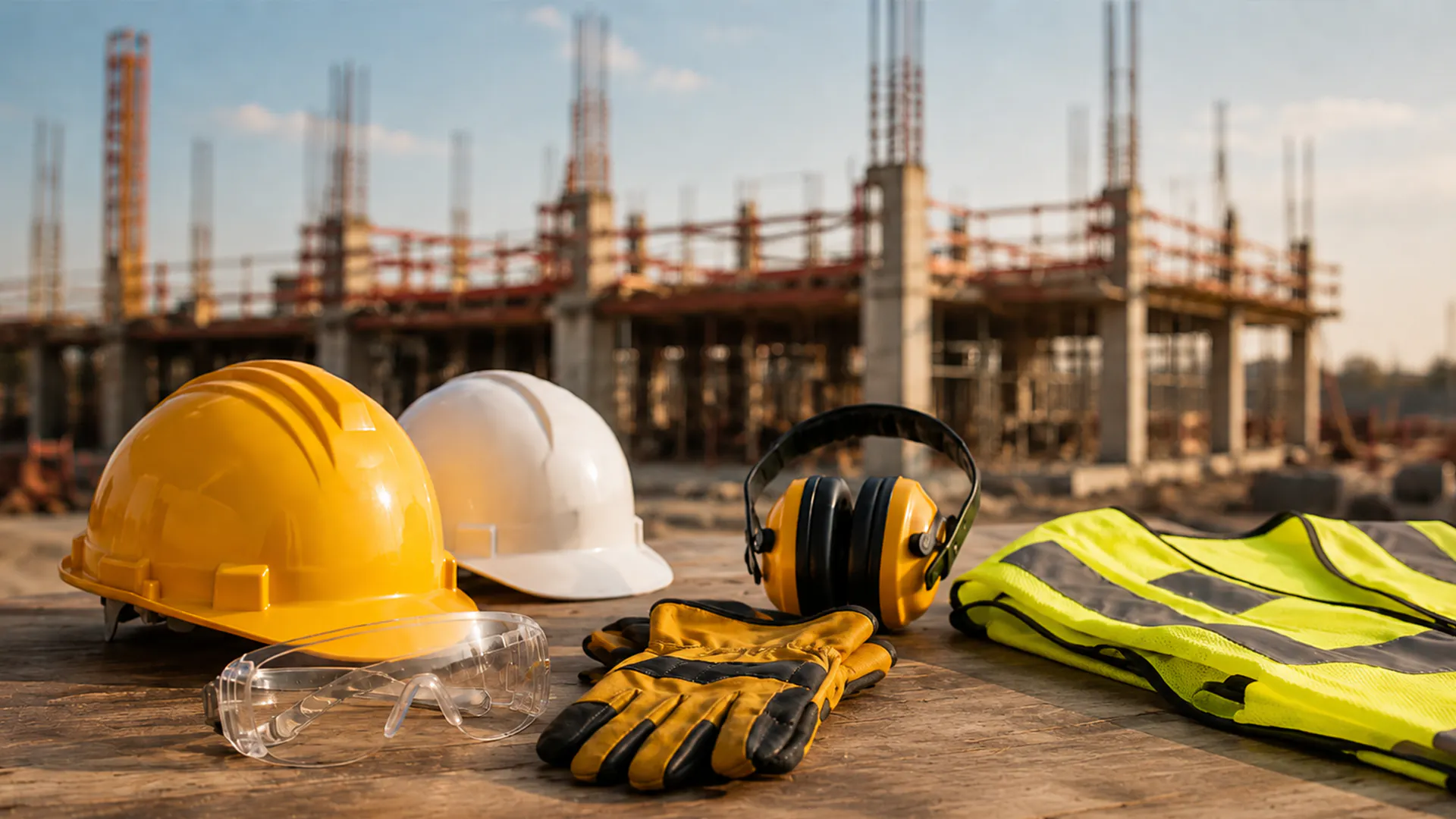
From the moment you step onto a construction site, your helmet, high-visibility vest, and steel-toed boots are more than just workwear they are your personal armor. Human psychology can be tricky; we often rely on years of experience and tell ourselves "it won't happen to me," but the laws of physics never lie. Wearing a safety harness at heights or a mask in a dusty environment is the clearest mark of a professional. Using this equipment is not just about following a rule; it is an expression of a worker’s respect for themselves and their craft. In modern construction culture, entering a site without PPE is considered as reckless as going into battle without a shield.
Responsibility and Awareness
Even the most expensive equipment and cutting-edge technology can become a source of danger in the hands of someone who does not know how to use it properly. That is why safety is not just about physical protection, but also a journey of continuous learning. Short "toolbox talks" held every morning keep workers' minds sharp and prepare them for the specific risks of the day. A worker must understand that their timely report of a noticed fault could save the lives of several colleagues. This sense of mutual responsibility makes everyone on site the "eyes and ears" for one another, strengthening the collective shield.
The Power of Order: Site Cleanliness and Constant Monitoring
Sometimes the most severe accidents are not caused by complex technical failures, but by the most mundane reasons: a stray nail on the floor or tangled cables. What we call "housekeeping" maintaining order on the job site, is a mirror of a company's construction culture. A clean and organized workspace not only speeds up the pace of work but also minimizes the risks of trips, falls, or fires. Regular inspections of scaffolding, timely maintenance of machinery, and keeping pathways clear create an unbreakable chain of safety. Ultimately, safety in construction is not a choice; it is a core value that defines the soul and the quality of every building we raise.